

INTERNATIONAL EDUCATION · DESTINATION GUIDE
Germany
Explore subjects and teaching languages for your academic goals in Germany.
3 university profiles · Programmes, student support and application preparationBerlin · City photograph · Image credits
AT A GLANCE
Germany’s international student outlook
DAAD survey-based estimates, winter 2025/26.
International first-year students
2025/26 · EstimateGrowth in international first-year intake
2025/26 · EstimateSource & context
Based on 212 university responses; forecasts, not a final census. Housing, living costs and entry preparation belong in the study plan.
DAAD · Winter snapshotChecked: 29 September 2026. Reporting periods may differ.
UNIVERSITY DIRECTORY
Universities and programme options
Compare programmes, teaching languages, international offices and student support around your academic goals.

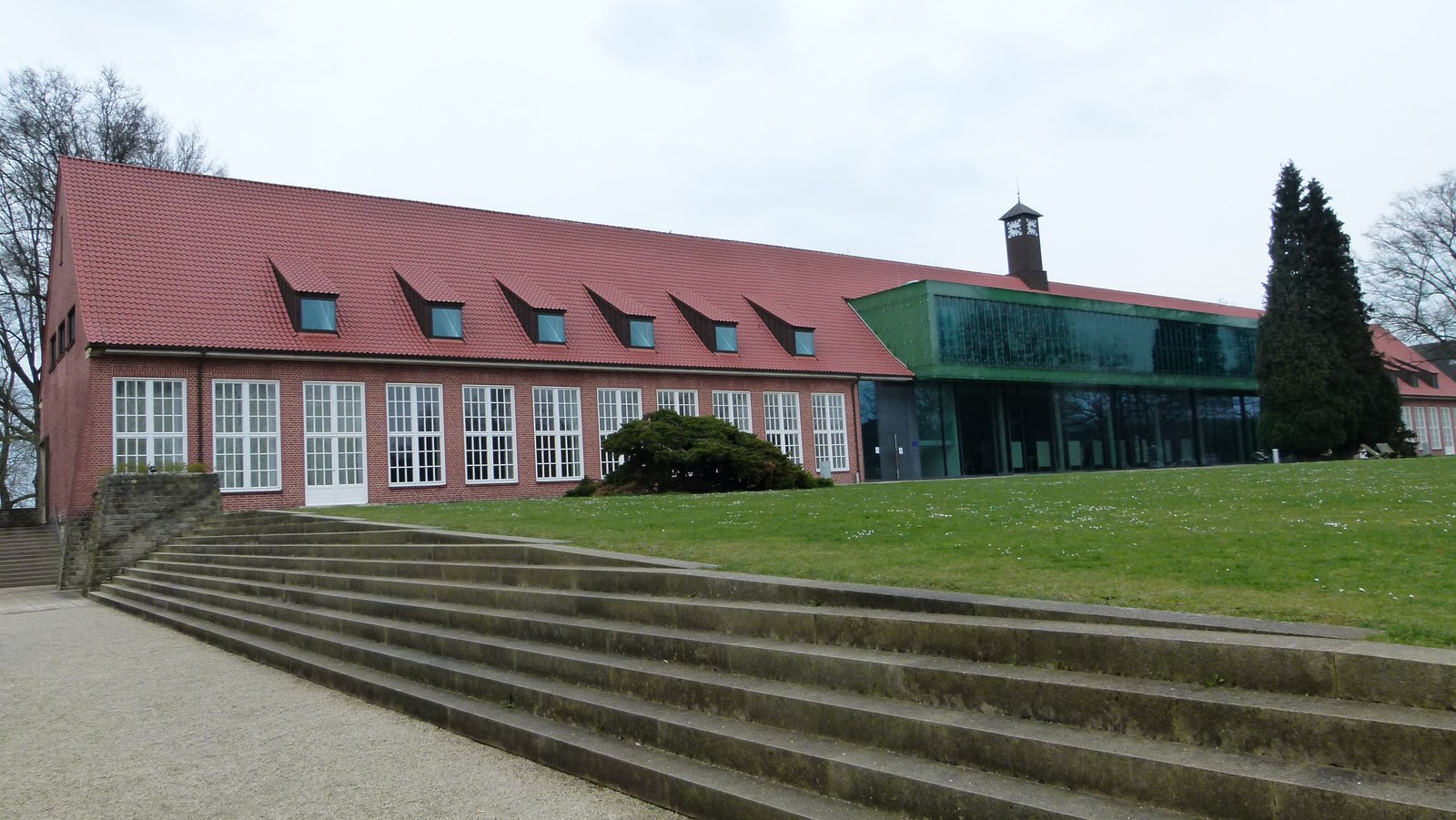
Profiles are informational and do not imply an official partnership. Confirm current programmes and admission requirements with each university.
THE DETAILS BEHIND YOUR PLAN
Study and application requirements
Open the topic that matters to you. Let’s work through your questions together.
Find the right learning style
Germany offers research universities, universities of applied sciences and specialist institutions. Compare the balance of theory, projects and practical experience before choosing a degree. The universities featured here include both public and private options, with different fee structures.
Language and entry requirements
English-taught programmes are available, but each course sets its language evidence and academic requirements. Have your school-leaving certificate checked before applying: some qualifications require previous university study or a Studienkolleg preparation route. German skills also help with daily life and a wider choice of programmes.
Plan your intake
Most institutions use winter and summer semesters, but not every degree admits twice yearly. At Rhine-Waal, first-semester bachelor’s entry is in winter; master’s applications are available for both semesters. Its published application dates are 15 July and, for summer master’s entry, 15 January. Confirm your programme’s current deadline.
Build a realistic budget
Example: Rhine-Waal’s winter 2026/27 semester contribution is €365.10. DAAD’s living-cost guide, checked September 2026, suggests €900–€1,200 monthly, depending on location. Tuition, where charged, is additional. Compare the exact programme fee, rent, insurance and deposits before committing.
Explore scholarships early
Search DAAD, university and foundation funding by nationality, subject and study level. For experienced graduates, DAAD’s EPOS scheme includes selected development-related postgraduate courses and normally requires at least two years of relevant professional experience. Scholarship selection and university admission have separate requirements.
Visa, funding and your first home
For 2026, the federal study-visa guide specifies a minimum €11,904 blocked account as one way to show living funds; scholarships or a declaration of commitment are alternatives. Admission and language evidence also matter. Start your accommodation search early and budget for deposits alongside the visa funding requirement.
Work during and after study
Eligible international students may work within the 140-full-day/280-half-day annual allowance or the applicable 20-hour weekly route. After a German degree, eligible graduates may apply for up to 18 months to seek qualified work. Check how the rules apply to your residence permit before accepting employment.
Your questions, answered
Is every German university tuition-free?
No. Many public programmes charge no tuition, but exceptions apply and private institutions normally charge fees. A semester contribution is separate from tuition. Check your nationality, federal state, university and exact programme before comparing offers.
Can I start directly with my school diploma?
That depends on your qualification and chosen course. Use DAAD’s admissions guidance to check recognition. A preparatory programme or prior university study may be required; the university makes the admission decision.
Sources checked 29 September 2026. Confirm current conditions with the chosen institution and competent authority before applying or proceeding.
WITH GLOBALISTIHDAM
Why choose Globalistihdam?
Study guidance that connects your academic goals with the details behind each option.
Your goals before the shortlist
We start with your subject, study level, language and destination preferences, so your enquiry reflects the education you actually want.
Options you can check
University profiles link to official resources. We make programme, language and progression conditions part of the conversation, including selected Final–Hull pathways.
An organised application journey
Your country and university preferences carry into the enquiry. Students and university representatives use separate application routes with saved enquiry records; no account is required.
HOW WE WORK
Application and assessment process
A clear process organised around your goals and requirements.
- 01
Define your goal
Share your subject, level, destination and intended intake.
- 02
Review your options
Consider programmes, entry requirements, budget and preparation.
- 03
Prepare the enquiry
Clarify the requested information and document requirements.
- 04
Follow the progress
View your consultancy enquiry and review status in My Applications in the same browser while your guest access cookie remains valid.
LET’S BEGIN TOGETHER
Let’s plan your next step
Your destination carries through to the enquiry. Add your subject and study-level preferences.
SECTOR UPDATES
Latest News
Checking the news feed. Showing the last saved content.
International Education
Last checked: · Türkiye time
Maldives advances plans for a qualifications recognition centre
A UNESCO-supported workshop assessed plans for a national qualifications information centre, intended to make overseas study, credit recognition and professional mobility easier to navigate.
Read at sourceOECD reports rising tertiary attainment alongside labour-market uncertainty
The OECD’s new education report puts tertiary attainment among 25–34-year-olds at 47% in 2025, while noting a recent rise in unemployment among young graduates.
Read at sourceDAAD study examines international graduates’ role in Germany’s workforce
A DAAD-commissioned IW analysis estimates that 34% of international entrants remain in Germany until retirement, highlighting the importance of study success and support for entering employment.
Read at source