
INTERNATIONAL EDUCATION · DESTINATION GUIDE
Canada
Plan your university, subject and study-level preferences for Canada.
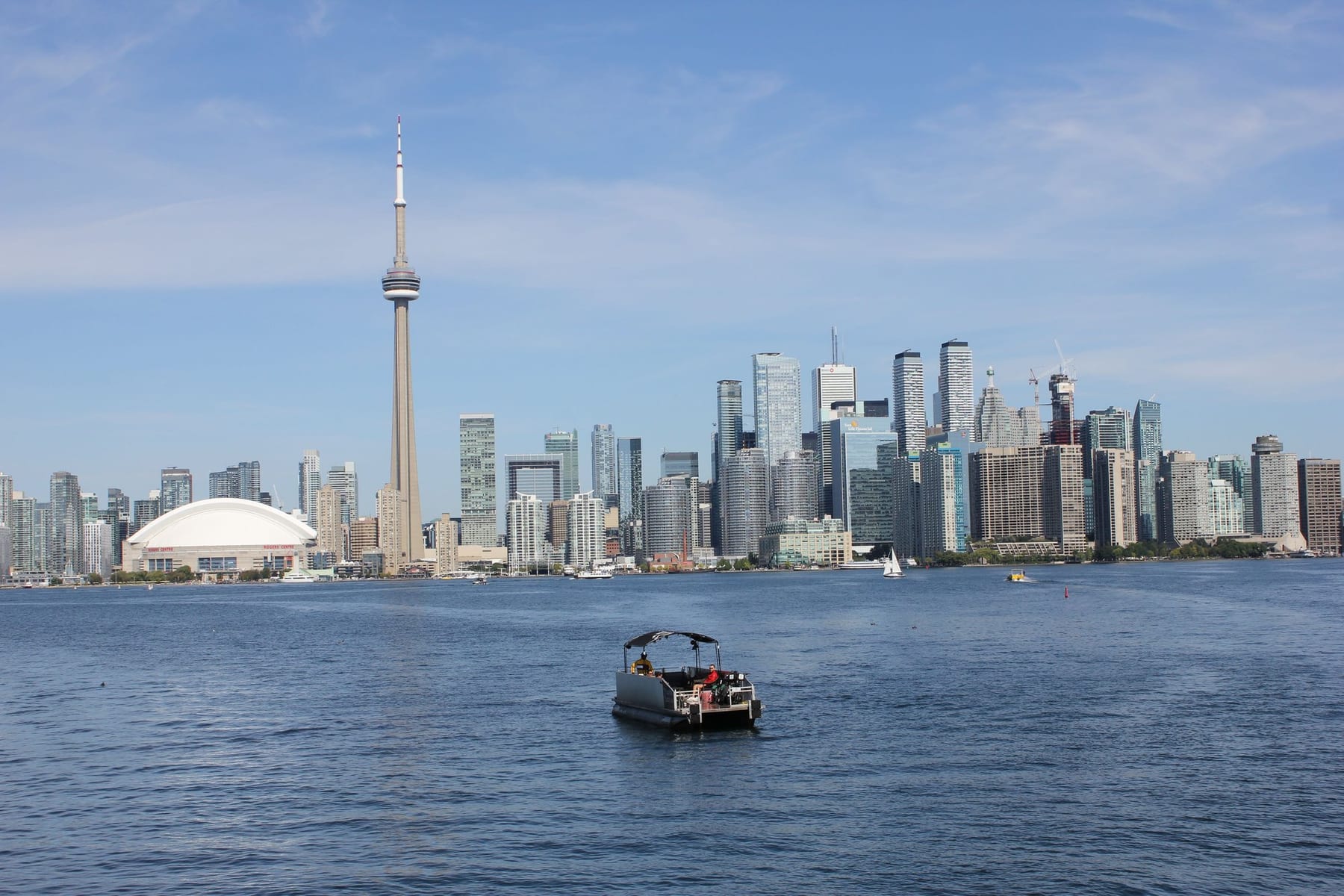
3 university profiles · Programmes, student support and application preparationToronto · City photograph · Image credits
AT A GLANCE
Canada’s public postsecondary system
International enrolments in public colleges and universities.
International university enrolments
2023/24Annual growth in international enrolments
2023/24Source & context
These historical enrolments predate recent permit policy changes. They are not current permit-holder counts or a prediction of future admissions.
Statistics Canada · November 2025 releaseChecked: 29 September 2026. Reporting periods may differ.
UNIVERSITY DIRECTORY
Universities and programme options
Compare programmes, teaching languages, international offices and student support around your academic goals.
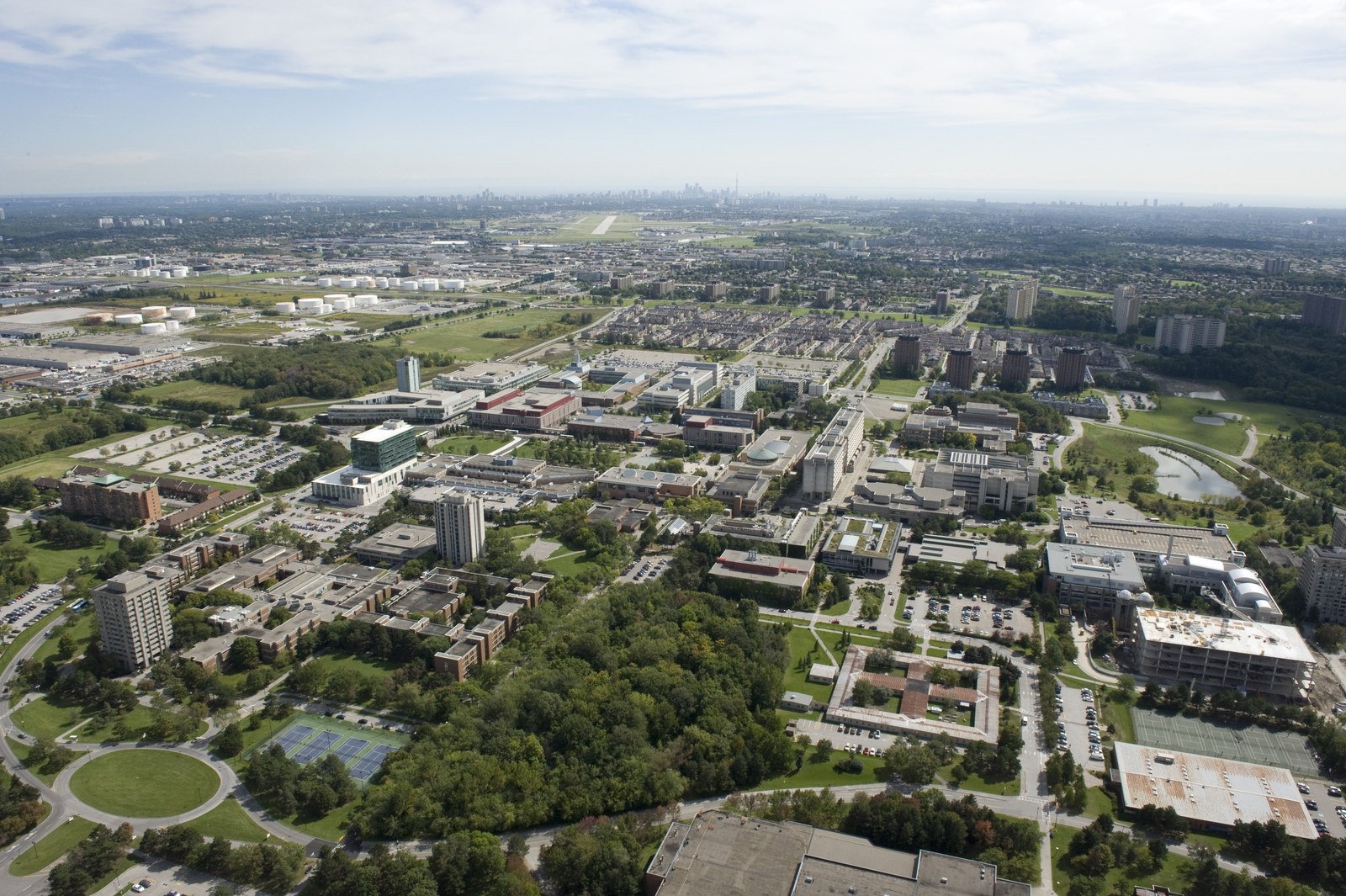
Profiles are informational and do not imply an official partnership. Confirm current programmes and admission requirements with each university.
THE DETAILS BEHIND YOUR PLAN
Study and application requirements
Open the topic that matters to you. Let’s work through your questions together.
Choose your qualification and campus
Canadian universities offer bachelor’s degrees typically lasting three to four years and master’s degrees typically lasting one to two years. Compare research, coursework and any co-op options at programme level. College diplomas and university degrees are different routes, with different admissions and post-study implications.
Language and application documents
Choose a programme taught in English or French and check its accepted language evidence. Universities set their own academic requirements and may request translated transcripts and qualification documents. Confirm that the institution is a designated learning institution before planning a study-permit application.
Match your course to an intake
Intakes depend on the programme. Manitoba’s University 1 lists September, January and May starts, with different application deadlines and entry categories. Other degrees may offer fewer options. Use the international-applicant timetable and leave room for transcripts, language results and permit processing.
Separate tuition from living funds
Manitoba’s 2026/27 international Arts rate is CAD 689.23 per credit: 30 such credits would cost CAD 20,676.90 before extra fees. From 1 September 2026, IRCC requires CAD 23,448 yearly living funds for one applicant outside Quebec, excluding tuition and travel. Your actual city budget may be higher.
Check scholarships and renewals
University awards can support international students, but values and renewal rules vary. Manitoba offers international undergraduate entrance and continuing-student scholarships with academic conditions. Check the current award year, application deadline, required course load and whether an award can be combined with other funding.
Study permit and accommodation
Prepare your acceptance letter, identity and financial documents. A provincial or territorial attestation letter is required in many cases; exemptions depend on your situation. Quebec has separate CAQ requirements. Apply for university residence or verified private housing early, and review what meals, utilities and deposits are included.
Work and post-graduation planning
Eligible students may work off campus up to 24 hours weekly during regular terms and longer during qualifying scheduled breaks. PGWP eligibility is separate from admission. Degree graduates generally need CLB/NCLC 7 in all four language skills; programme, study history and application conditions also apply.
Your questions, answered
Does a Canadian admission guarantee a PGWP?
No. Check both the institution and your exact programme for PGWP eligibility before paying a deposit. Bachelor’s, master’s and doctoral graduates have no field-of-study restriction under current rules, but language and other eligibility conditions still apply.
Can I rely on part-time work to fund my visa application?
IRCC requires evidence that you can cover tuition, living expenses and travel without working in Canada. Show the first year’s available funds and explain financing for the whole programme. A possible future student job should not replace this financial plan.
Sources checked 29 September 2026. Confirm current conditions with the chosen institution and competent authority before applying or proceeding.
WITH GLOBALISTIHDAM
Why choose Globalistihdam?
Study guidance that connects your academic goals with the details behind each option.
Your goals before the shortlist
We start with your subject, study level, language and destination preferences, so your enquiry reflects the education you actually want.
Options you can check
University profiles link to official resources. We make programme, language and progression conditions part of the conversation, including selected Final–Hull pathways.
An organised application journey
Your country and university preferences carry into the enquiry. Students and university representatives use separate application routes with saved enquiry records; no account is required.
HOW WE WORK
Application and assessment process
A clear process organised around your goals and requirements.
- 01
Define your goal
Share your subject, level, destination and intended intake.
- 02
Review your options
Consider programmes, entry requirements, budget and preparation.
- 03
Prepare the enquiry
Clarify the requested information and document requirements.
- 04
Follow the progress
View your consultancy enquiry and review status in My Applications in the same browser while your guest access cookie remains valid.
LET’S BEGIN TOGETHER
Let’s plan your next step
Your destination carries through to the enquiry. Add your subject and study-level preferences.
SECTOR UPDATES
Latest News
Checking the news feed. Showing the last saved content.
International Education
Last checked: · Türkiye time
Maldives advances plans for a qualifications recognition centre
A UNESCO-supported workshop assessed plans for a national qualifications information centre, intended to make overseas study, credit recognition and professional mobility easier to navigate.
Read at sourceOECD reports rising tertiary attainment alongside labour-market uncertainty
The OECD’s new education report puts tertiary attainment among 25–34-year-olds at 47% in 2025, while noting a recent rise in unemployment among young graduates.
Read at sourceDAAD study examines international graduates’ role in Germany’s workforce
A DAAD-commissioned IW analysis estimates that 34% of international entrants remain in Germany until retirement, highlighting the importance of study success and support for entering employment.
Read at source